Introduction
When it comes to landscape design, creating a successful outdoor space is about more than just planting flowers and laying down sod. It's about crafting an experience that draws the eye and evokes emotion. One of the most effective strategies for achieving this is through the use of focal points. Whether you’re a seasoned gardener or just stepping into the world of landscaping in Greensboro, understanding how to create and utilize focal points can significantly elevate your landscape design. This article explores how focal points can enhance your landscape design in Greensboro gardens, providing practical tips and inspiring ideas.
Understanding Focal Points in Landscape Design
What Are Focal Points?
Focal points are specific elements within a landscape that draw attention and serve as the centerpiece of a garden design. These could be anything from a striking sculpture, a vibrant flower bed, a water feature, or even an impressive tree. They create visual interest and provide direction for the viewer’s gaze.
Why Are Focal Points Important?
Focal points are essential because they help to organize and structure your garden space. They can guide visitors through your landscape, create balance, and add depth to your design. In landscaping Greensboro, NC, where nature's beauty is abundant, well-placed focal points can enhance this beauty even further.
Using Focal Points to Enhance Your Landscape Design in Greensboro Gardens
Incorporating focal points into your landscaping not only enhances aesthetic appeal but also adds functionality to your garden space. Here’s how you can effectively use them:
1. Identify Key Areas in Your Garden
Before choosing your focal points, take time to walk through your garden areas and identify zones that need emphasis. Look for spots that tend to be overlooked or underwhelming.
2. Choose the Right Type of Focal Point
Consider what type of focal point will best suit your garden's style. Some popular options include:
- Statues or Sculptures: Art pieces can add personality to any garden. Water Features: Ponds or fountains provide movement and sound. Unique Plants: A stunning tree or flowering shrub can serve as a living focal point.
3. Scale Matters
The size of your focal point https://www.ramirezlandl.com/ should correspond with its surroundings. A massive sculpture might dwarf smaller plants while an oversized tree might overshadow delicate flowers.
4. Color Contrast
Employ color contrast to make your focal point stand out against its backdrop. Bright blooms against lush greens will draw attention immediately.
5. Placement Strategy
Where you place your focal point matters significantly:
- Eye Level: Placing it at eye level ensures it's easily noticed. Pathways: Consider placing it along pathways; this guides visitors toward it naturally.
6. Seasonal Changes
Incorporate seasonal plants around your focal point so that it remains interesting year-round.
Types of Focal Points for Your Landscape Design
Natural Focal Points
Trees as Focal Points
Trees can provide shade and create vertical interest in your landscape design in Greensboro gardens.
Flower Beds
A well-planned flower bed bursting with color can be incredibly captivating.
Architectural Focal Points
Arbors & Pergolas
These structures add height and dimension, inviting guests into the space.
Pathways
Curved paths leading towards an area will naturally lead visitors toward a designated focal point.
Creating Balance with Multiple Focal Points
Understanding Balance
When using multiple focal points within one landscape, balance is crucial for maintaining harmony without overwhelming viewers.
Types of Balance
- Symmetrical Balance: Both sides mirror each other. Asymmetrical Balance: Different elements complement each other without mirroring.
Integrating Focal Points with Existing Elements
Enhancing Hardscapes
Consider how hardscape features like patios or walkways interact with natural elements when designing with focal points in mind.
Blending Styles
Mix different styles—modern sculptures amid classic gardens—to create intriguing contrasts that capture attention.
Focal Point Ideas for Specific Themes
Traditional Garden Themes
In traditional gardens, ornate gazebos or classical statues serve as superb choices for focal points.
Contemporary Gardens
Look towards sleek water features or minimalist sculptures that emphasize simplicity alongside greenery.
How Lighting Affects Your Focal Points
Importance of Lighting
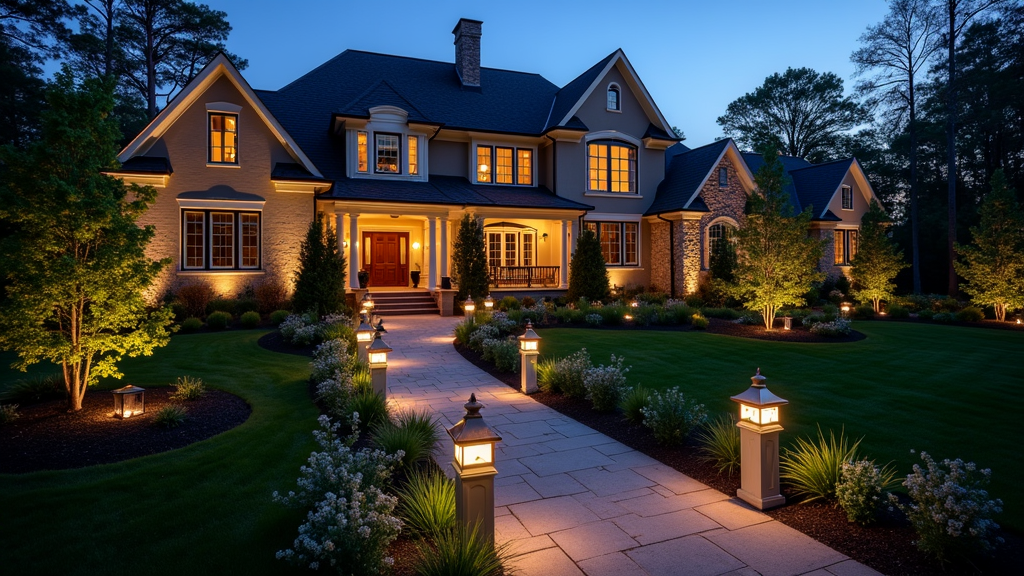
Proper lighting can dramatically enhance the visual appeal of any garden space at nightfall by illuminating key features beautifully.
Types of Lighting Options
Spotlights: Directly highlight specific areas. Path Lights: Guide visitors while adding ambiance. String Lights: Bring warmth to outdoor gatherings around key features.FAQs About Using Focal Points in Landscaping Greensboro Gardens
Q1: What is a good starting point for creating a focal point?
A: Start by assessing areas within your yard that lack visual interest or clarity; then decide on what type of element (planting or structural) would fill that void effectively!
Q2: Do I need professional help for designing my landscape?
A: While many homeowners successfully tackle their own landscaping projects, hiring professionals could provide additional creative insights—especially if you're unsure about placement!
Q3: Can I have more than one focal point?
A: Absolutely! Just ensure they work together cohesively without competing for attention—balance is key!
Q4: How do I maintain my chosen focal point over time?
A: Regular maintenance such as pruning trees/shrubs & cleaning water features helps keep them looking fresh & appealing throughout seasons!
Q5: Is there an ideal size for a garden focal point?
A: The right size depends on its surroundings; always choose proportionally so it draws attention without overwhelming nearby elements!
Q6: Can I change my landscape focus seasonally?
Conclusion
Using focal points strategically within landscaping Greensboro gardens not only enhances visual appeal but also enriches experiences for homeowners and guests alike! By thoughtfully incorporating various elements—like trees, sculptures, or water features—you can transform any outdoor space into something truly special! Remember to assess balance & scale carefully while considering seasonality; doing so ensures longevity & enjoyment from every corner throughout years ahead!
With these principles in mind, you're ready to embark on creating breathtaking landscapes filled with captivating scenes bound together by intriguing focuses all around! Happy designing!